Case Study: Delivering a $1.8M Sitecore Rebuild On Time Around a Blocked Dependency
When the client fell behind on the product data our commerce integration needed, I didn't stop the project and wait. We split the plan into what was truly blocked and what wasn't, and kept the 11-person team moving on everything else. The $1.8M fixed-price Sitecore 10 rebuild of two live sites launched on its original 27-week date, more than 7% under budget, with defects under 10%.
Situation
A full Sitecore 10 rebuild of two live commercial sites. Both ran on the same platform underpinning a related product line, one we couldn't afford to break, and the project also required integrating a brand-new e-commerce system that wasn't ready yet.
Stakes
Fixed-price, with a hard functional-documentation deadline and an 8-week UAT window built into a 27-week schedule.
Diagnosis
The client fell behind on the mappings and product details we needed for the commerce integration. It showed up first as slow responses in status meetings, not a missed milestone, which meant there was still time to act before it became one.
Decision
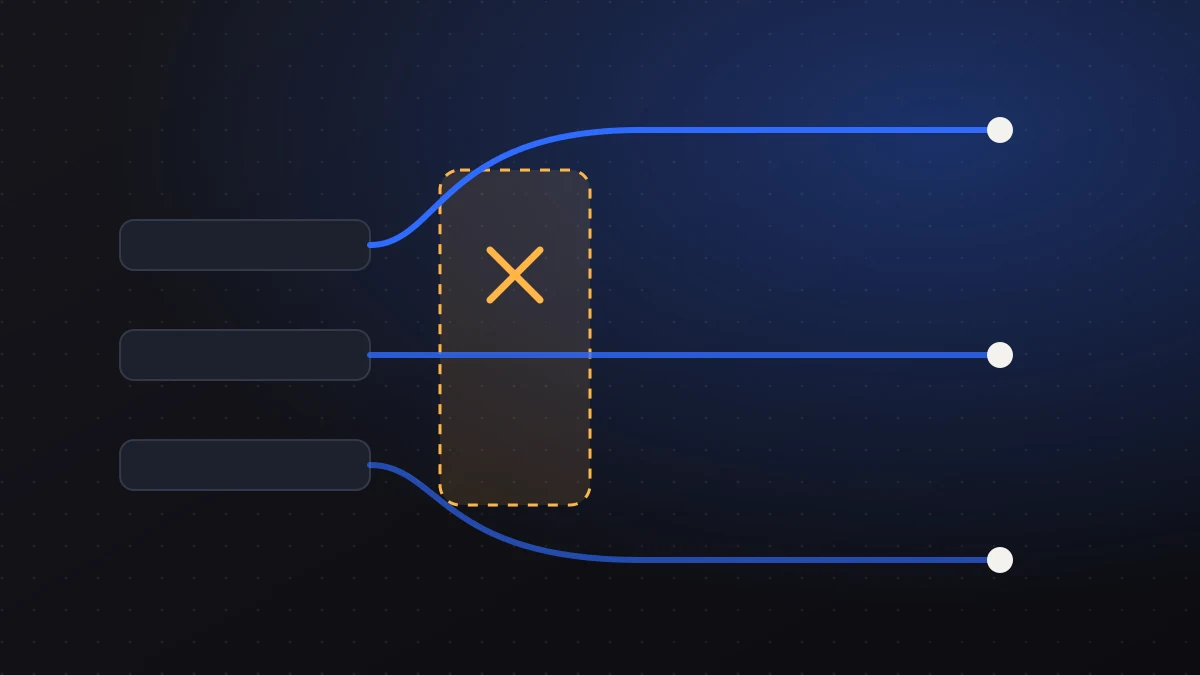
I didn't want to stop and wait. We resequenced: split the plan into what was genuinely blocked by the missing data and what wasn't, then kept the team moving on the second bucket while the client worked the first in parallel.
Action
We rebuilt the sprint plan around two tracks instead of one and reallocated the 11-person team accordingly. The regression thread protecting the sister platform ran continuously through both. The existing bi-weekly governance, demo and retro cadence became the mechanism for keeping the client aligned on what had shifted and why, instead of letting the resequencing turn into a silent scope change.
Result
Live on time and more than 7% under budget. Defects came in under 10%, and load testing passed across the board.
- Launched on the original 27-week date
- More than 7% under budget
- Defects under 10%, load testing passed across the board
A blocked dependency doesn't have to block the project, only the work that actually depends on it.
The habit that matters is doing that triage explicitly, with the internal team and the client in the room together, instead of defaulting to “we wait.” Most of the time, more of the plan is still open than it looks from the point where things first went quiet.